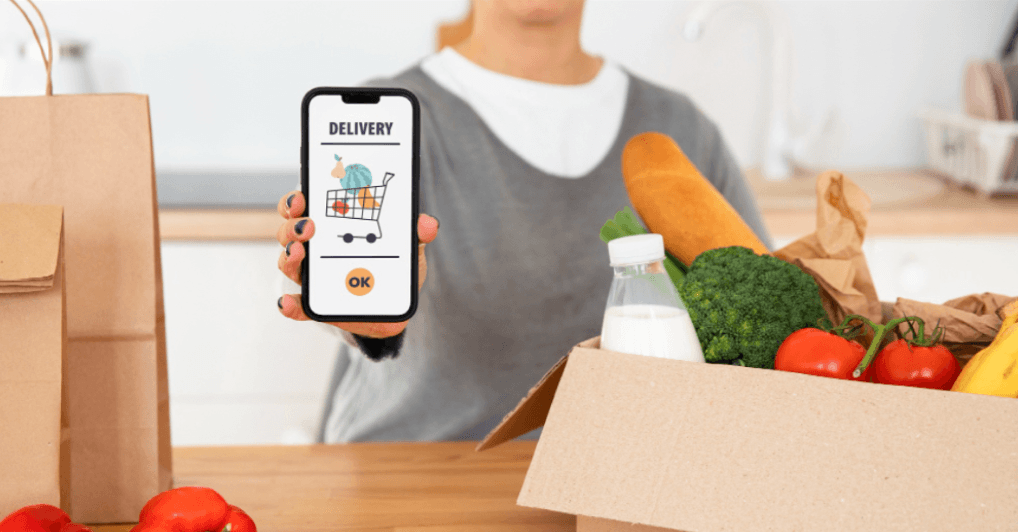
Why “Order Groceries” is the New “Order Takeout”
Introduction: A New Habit in Indian Homes
There was a time when opening a specific app served a single, straightforward purpose. But if you look at the same app today, you will find people ordering groceries instead. This change didn’t just come from nowhere. It’s a reflection of a major behavioral change across Indian cities.
People of the younger generation working in various companies, small family units, and even senior citizens have started considering grocery shopping through apps as one of their necessities. It’s a preference of ordering groceries whenever something is finished instead of planning a shopping trip at the market once a week. It’s something that is felt to be normal, quick, and practical. Just like how ordering takeout was once considered a radical move, this habit now seems a natural one. Besides that, the hectic lifestyle that people lead barely leaves them enough time to visit crowded markets. So convenience wins.
The Convenience Factor Is Driving the Shift
It’s a fact that time is of the essence now more than ever. Working long hours and having to deal with traffic jams in cities such as Mumbai or Bengaluru leave locals totally exhausted. Therefore, people don’t go to the stores anymore but just take out their phones. Earlier, apps were linked to indulgence. Now, they support daily living. Milk, vegetables, rice, and atta arrive in minutes. This way, there is no need for a serious plan to keep the kitchen well-stocked because it stays that way by default.
Besides that, this has the upside of decreasing impulse buying. People normally end up cooking more at home if they buy ingredients instead of prepared food. So, that means better health and budgets under control too. Families gradually became aware that meals from freshly prepared ingredients are cheaper than ordering takeouts regularly. Because of this awareness, more households order groceries instead of ordering food.
A Generational Mindset Change
Millennials and Gen Z grew up with delivery apps. For them, digital shopping feels natural. They don’t see grocery apps as luxury. They see them as tools. Parents once preferred physical stores. However, they now order groceries after seeing the speed and reliability. The trust barrier has broken.
Additionally, instant delivery fits Indian cooking habits. We often decide on meals at the last minute. When tomatoes or paneer run out, people simply order groceries and continue cooking. Gradually, the idea of walking to the kirana store every week feels outdated. Convenience has become the standard.
Read also: How AI Is Changing the Way We Do Business
Conclusion: From Takeout to Everyday Essentials
Just once ordering takeaway was the sign of the new lifestyle. Nowadays, clever families even order groceries to satisfy their everyday needs. It isn’t a sign of laziness, but rather of the growth of a new level.
People desire to have a say over their health, time, and money. Digital grocery delivery supports all three. As lifestyles evolve, this habit will only grow stronger. In India, tapping an app for groceries now feels as common as ordering dinner.