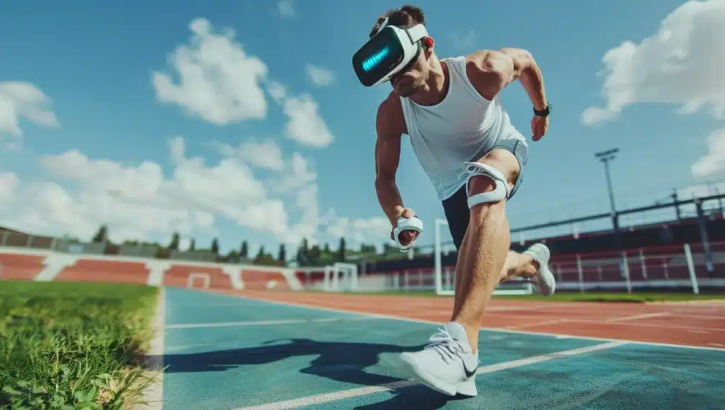
Transforming Modern Sports with Technology
The sports industry has seen a remarkable evolution in recent years, driven by technological innovation, changing consumer preferences, and a focus on enhancing performance and engagement. From professional athletes to recreational enthusiasts, technology has become an essential part of training, entertainment, and sports management. One of the most exciting advancements in this sector is the rise of interactive tools and simulators that replicate real-life sports experiences in a controlled environment. These innovations are changing the way people practice, compete, and enjoy their favorite sports.
The Rise of Technology in Sports
Technology has permeated almost every aspect of the sports industry. Wearable devices track heart rate, movement, and fatigue levels, providing athletes and coaches with valuable data for performance optimization. Video analysis tools allow detailed study of technique, strategy, and opponent behavior, helping teams gain a competitive edge. Even fan engagement has evolved, with virtual reality experiences and interactive platforms making sports more immersive than ever.
The integration of technology is particularly golf simulator hong kong evident in training and skill development. Simulators and virtual platforms offer athletes the opportunity to practice in environments that replicate real-life conditions without the limitations of time, weather, or location. This has made sports training more efficient, precise, and accessible to a wider audience.
Benefits of Sports Simulators
Sports simulators provide a range of benefits for both professional athletes and casual players. They offer consistent practice conditions, enabling users to focus on improving specific skills without external disruptions. For beginners, simulators provide a safe space to learn and build confidence, while advanced users can analyze performance metrics and make targeted improvements.
One of the standout advantages of simulators is their ability to replicate real-world conditions. Factors like ball speed, trajectory, environmental conditions, and course layout can be simulated accurately, allowing for realistic practice sessions. The data collected during simulation sessions, such as swing speed, angle, and accuracy, helps players and coaches identify areas for improvement and track progress over time.
See also: Material Performance Standards in Modern Industrial Engineering
Golf Simulation: A Case Study
Golf is a sport where precision, technique, and strategy are critical. Traditionally, practicing golf required access to courses, driving ranges, and favorable weather conditions. However, golf simulators have revolutionized training and recreational play.
A golf simulator hong kong offers enthusiasts the opportunity to practice their swing, play virtual courses, and receive real-time feedback, all within an indoor environment. This technology combines high-speed cameras, sensors, and software algorithms to measure swing mechanics, ball trajectory, and impact. Users can analyze their performance in detail, make adjustments, and see immediate results, enhancing skill development and overall enjoyment.
Golf simulators also make the sport more accessible to a wider audience. Busy professionals or individuals living in urban areas may find it difficult to access traditional courses. By using a golf simulator hong kong, they can enjoy the game conveniently and efficiently, bridging the gap between accessibility and skill improvement.
Enhancing Training and Performance
Sports simulators are not just tools for entertainment—they are powerful training aids. Athletes across various sports use simulators to hone technical skills, improve reaction times, and test strategies. In golf, for example, players can practice short-game shots, putting, and long drives with precise feedback, improving consistency and accuracy.
The technology also allows for scenario-based training. Players can simulate challenging conditions, such as windy weather or tricky course layouts, preparing them for real-world competitions. This ability to recreate diverse conditions in a controlled environment accelerates learning and reduces the trial-and-error time typically required in outdoor practice.
Impact on Recreational Sports
While simulators are widely used in professional training, they are also transforming recreational sports. Many enthusiasts use simulators to enjoy a realistic sports experience without the need for travel or outdoor facilities. Golf simulators, in particular, have gained popularity in urban centers where space and access to courses are limited.
A golf simulator hong kong offers a social and interactive experience. Friends, colleagues, and families can engage in friendly competitions, tournaments, and challenges, making the sport more engaging and inclusive. The combination of entertainment, social interaction, and skill development has contributed to the growing popularity of sports simulators in recreational settings.
Technological Advancements Driving the Industry
The sports simulation industry continues to evolve, with innovations enhancing realism, data analytics, and user experience. High-definition graphics, motion-tracking sensors, and advanced software algorithms create immersive environments that replicate real-life conditions with remarkable accuracy. Artificial intelligence is also being integrated to analyze performance patterns, provide coaching tips, and predict outcomes.
Moreover, connectivity and cloud-based platforms allow users to compete and share their performance data globally. Golf enthusiasts using a golf simulator hong kong can participate in virtual tournaments, compare scores with players worldwide, and access expert guidance remotely. This connectivity bridges geographical barriers and fosters a sense of community among sports enthusiasts.
Future Trends in Sports Simulation
The future of sports simulation looks promising, with continued advancements expected in hardware, software, and data integration. Simulators will become more compact, affordable, and accessible, enabling broader adoption across professional and recreational settings. Integration with wearable technology and biometrics will provide even deeper insights into performance, enhancing training precision and reducing the risk of injury.
Virtual reality and augmented reality technologies will also expand possibilities, offering fully immersive sports experiences that replicate the physical and mental challenges of real-world competitions. For golf and other sports, these innovations will continue to improve skill development, accessibility, and overall engagement.
Conclusion
The intersection of technology and sports has created exciting opportunities for athletes, enthusiasts, and the industry as a whole. Sports simulators, particularly in golf, have transformed training, recreational play, and skill development, offering realistic experiences and detailed performance feedback.
A golf simulator hong kong exemplifies how innovation can make sports more accessible, engaging, and effective. By combining convenience, precision, and interactive elements, simulators are redefining how people practice and enjoy sports. As technology continues to advance, sports simulators will play an increasingly vital role in enhancing performance, promoting participation, and shaping the future of the sports industry.